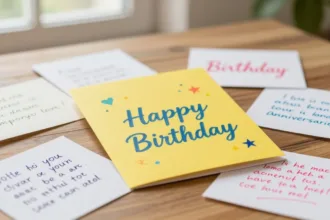
The best retirement wish pairs sincere thanks for someone’s contribution with a hopeful thought about what comes next. These Special Occasion Messages can help you celebrate a friend, a colleague, or someone who made work better. A strong note feels personal because it names something the retiree did, then looks ahead with warmth.
In India, a workplace farewell may be formal or simple, depending on the person and team. You might write a card, send a text, or speak at a gathering. The examples here offer different tones for close friends, workmates, and supervisors, so you can choose words that suit your bond. A sincere note can honor both the work someone did and the time they are about to reclaim.
At What Age Do People Retire in India?
Most private-sector organisations in India set retirement ages between 58 and 60, while central government employees generally retire at 60. That range reflects common employer practice, not a national rule for private companies.
India has no national law fixing a mandatory retirement age for private-sector companies. Each employer’s written policy, employment contract, and industry can shape the age that applies to a job.
Check the employer’s written retirement policy and the employee’s contract before stating an age in a farewell note.
Central government employees generally retire at 60 under Fundamental Rule 56 and the Central Civil Services (Pension) Rules. The central-government retirement age rose from 58 to 60 in 1998.
That distinction matters when you plan a farewell or write about a person’s final day at work. A private business may set its own retirement age within its policy and contracts. The employee’s service years and the timing of the last day can also shape the occasion.
People may leave a job after a long career, yet the right words should not assume that every workplace follows one timeline. If you are unsure, leave the age out of your message and focus on the person’s contribution. A warm note can mark the change without naming a date or number.
How Is Gratuity Calculated at Retirement in India?
For a covered private-sector employee, gratuity is based on last drawn salary, completed years of service, and the Act’s 26-day divisor. The coverage matters, since not every employee falls under the same rule.
Gratuity is a lump-sum employment benefit payable to an eligible employee when their employment ends. Under the Payment of Gratuity Act, an employee generally needs five years of continuous service with the same employer. The five-year rule has an exception when employment ends because of death or disablement due to accident or disease.
For covered private-sector employees, the formula is (last drawn salary × 15 × completed years of service) ÷ 26. Salary in this formula means basic salary plus dearness allowance. The calculation uses completed years, not a partial year rounded up.
The Act sets a maximum gratuity payment of ₹20,00,000 for covered employees. This limit is important when you check a benefit after many years of hard work. An employer must pay the gratuity within 30 days of it becoming due.
Indian government employees use a different formula: last drawn salary × 1/4 × completed years of service. Do not assume the private-sector formula applies to government employees, or that every private employee has the same coverage.
For a retiree, this benefit can mark years of effort in a business or job. A careful check should use the right rule and the correct salary details, not a rough estimate. Keep coverage status, salary components, and completed service years together when checking a gratuity calculation.
What Happens at a Typical Indian Retirement Farewell?
An Indian workplace farewell may pair a short speech and a memento with a shared snack. The gathering can be a simple office moment or a larger celebration with people from across the workplace.
A farewell commonly takes place on the last day of the month an employee turns 58 or 60. This is a familiar custom, not a required format for every employer. A team may keep the occasion brief or invite family and other guests.
A function may include familiar items such as:
- A shawl presented to the retiree
- A bouquet or coconut
- A memento to remember the workplace
- A short speech from a colleague or manager
- Samosas and tea shared after the formal part
These small touches can give the day a personal feel. A speech might recall a project, a helpful habit, or a memory from the office. A memento can carry the team’s names or a short note, while a shared snack gives people time to talk.
Not every retiree enjoys a crowd or a long program. Ask someone close to the person what they would welcome, especially if the workplace usually keeps events formal. Let the retiree’s preferences and the workplace’s usual formality shape the size of the gathering.
How to Write Special Occasion Messages for Retirement
A memorable retirement note needs one real detail from the person’s working life, not a string of generic compliments. One clear memory can make a few words feel more sincere than a long list of praise.
A concise retirement message can follow three sentences: one concrete work memory, one line of thanks, and one wish for what comes next. Keep each sentence focused on a different part of the note. This gives your message shape without making it sound formal or stiff.
Build the note around one specific memory
Choose a detail the retiree will recognize. You might mention their joining year, years of service, branch, or school. A shared moment from a busy day can work just as well, especially when it shows how the person helped others.
For example, you could recall how they stayed calm during a tough launch or helped a new team member learn the job. Avoid broad claims that could fit anyone. The best words sound as though they came from someone who was there.
Add thanks and a wish for what comes next
After the memory, name what you appreciate. You might thank the person for patient guidance, dependable work, or the way they made others feel welcome. Then add best wishes for the time ahead, without guessing what the retiree plans to do.
Keep the feeling true to your relationship. A close friend may use love and warmth, while a workmate may choose a more measured tone. A few honest words can carry more meaning than a grand promise.
Keep the tone warm and respectful
A greeting card can include the occasion, a personal sentiment, a future wish, and a fitting greeting or sign-off. A text or email can use the same parts in a shorter form. Choose the format the person is likely to read and keep.
Avoid jokes about age or health, and leave pension amounts out of the note. These subjects can feel too personal, even when you mean well. A simple message can still bring joy when it treats the retiree with care.
Read the finished note aloud once to catch wording that sounds copied rather than personal.
What Should You Write to a Retiring Colleague?
For a close teammate, name a contribution or shared work memory before wishing them well in retirement. A real detail can make your congratulations feel earned rather than routine.
A colleague’s note can mention a project they led, a skill they shared, or a moment that made the workday easier. Match the formality to your relationship and the occasion. A friend at work may welcome more warmth than someone you know only through meetings.
For a colleague you know well
If you shared deadlines, lunch breaks, or a long-running project, let that history guide your message. An inside joke can fit when both of you will enjoy it. Keep the joke kind and easy to understand outside your small group.
Try one of these examples:
- “I’ll miss our last-minute project checks and your calm way of solving problems. Thank you for making the work better. I hope retirement brings you time for what you love.”
- “Your steady support helped our team finish some tough jobs. I’m grateful we got to work together. Wishing you plenty of joy in this next part of life.”
For a colleague you know mostly through work
When you do not know the person well, keep the message simple, sincere, and professionally courteous. Name a real contribution or accomplishment rather than praising them in vague terms.
- “Congratulations on your retirement. Your careful work on the accounts helped our team meet each deadline. Wishing you a happy and restful next chapter.”
- “Congratulations on a career marked by reliable service to our branch. I’ve appreciated your clear advice and steady support. Best wishes for the years ahead.”
Birthday wishes for a colleague should stay professional, even when you have a friendly bond. When a birthday and retirement fall on the same day, make the two milestones clear: “Happy birthday, and congratulations on your retirement.”
Sign the card with the team’s or your own name so the retiree knows who is thanking them.
What Should You Say to a Retiring Boss?
A respectful note to a retiring boss works best when it names one lesson you learned from them. Specific thanks feels more genuine than a string of grand compliments.
You can thank a manager, principal, or other supervisor for a decision, a skill, or an example of leadership. Connect the lesson to the effect it had on your work. Then offer congratulations and a sincere wish for retirement.
Choose a message that fits a card or a short farewell speech:
- “You taught me to hear every side before making a decision. I still use that lesson at work. Thank you, and I wish you a rewarding retirement.”
- “Your trust helped me take on my first major project. I’m grateful for the chance and the guidance. Congratulations on your career and best wishes for what comes next.”
- “I learned from the way you gave clear feedback while treating people with respect. Thank you for setting that example. May retirement bring you time and happiness.”
- “Your steady leadership helped our team through a demanding year. I appreciate the care you brought to the work. Congratulations, and I hope the years ahead bring you joy.”
For a supervisor who led a school or department, name the part of their work you saw firsthand. You might mention how they supported staff, made a hard call, or gave you room to grow. That detail makes the congratulations feel personal without sounding like flattery.
Keep a spoken toast brief enough for the room to follow. In a spoken toast, keep the personal example brief and make the thank-you unmistakable.
What Retirement Wishes Suit a Close Friend?
For a close friend, choose a memory that says something true about the friendship, then wish them well beyond work. A shared moment can bring more warmth than a polished line.
Your message can honor both the person’s working contribution and the friendship you share. Do not assume the retiree has a set plan for the future. Leave room for their own hopes, whether they already have plans or want time to decide.
For a friend who has shaped your life
Think of a moment that shows why this friend matters to you. Perhaps they called after a hard day, celebrated a small win, or made a long commute feel shorter. Let that memory lead into a wish for love, joy, and happiness in the days ahead.
You could write: “You have been there for so many of my life’s turning points, and I’ll always be glad we met. I hope retirement gives you space for the people and things you love.”
Or try: “I’ll never forget the way you helped me through my first year at work. You’ve made life brighter just by being my friend. I’m wishing you a retirement filled with good company and happy moments.”
When a birthday and retirement coincide
Birthday wishes for a special person can recognize both milestones in separate thoughts. Unique birthday wishes for a special person can draw on a shared memory, then add a clear retirement wish. Birthday wishes for a friend can also celebrate the birthday first and offer retirement congratulations in a distinct line.
For example: “Happy birthday to the friend who made every long week easier with a laugh. I hope this new year brings you joy, and retirement gives you room to choose what comes next.”
Keep the wording true to the person, not just the occasion. A warm message does not need to predict travel, a new hobby, or more time with family. Choose one shared memory that reflects the friendship without exposing private details.
How Can You Make a Retirement Message Funny or Brief?
A short retirement note can get a laugh by celebrating the retiree’s new freedom rather than teasing them. Kind humor makes the day lighter without turning the person into the joke.
A card or text can be only a line or two, especially when the gathering includes a longer speech. Keep any joke focused on a routine the retiree may enjoy, not age or health. A familiar detail can bring laughter without making the note feel sharp.
Short notes for a card or text
These brief wishes work on their own or beside a longer note:
- “Wishing you a happy retirement and a day with no meeting invites.”
- “Congratulations! May your next chapter bring more time for the things you enjoy.”
- “Here’s to a new routine, and to choosing when the day begins.”
Special birthday wishes can acknowledge retirement too, but keep the birthday and farewell thoughts distinct. Simple birthday wishes stay clear when you greet the person first, then add a separate retirement line. Heart-touching birthday wishes for a special person feel personal when they refer to a real memory.
Light humor about the new routine
A gentle joke can picture chai without a rush, a newspaper on the balcony, or a morning walk at the retiree’s own pace. Keep the focus on the new freedom, not on how the person looks or how old they are.
You might write: “May your chai stay hot, your newspaper stay unread until you’re ready, and your mornings belong to you.” Or: “Enjoy the rare job of deciding whether a morning walk needs to happen before or after breakfast.”
Choose a joke that fits the person’s sense of humor and your relationship. Check that the retiree can enjoy the joke without becoming its target.
What Wishes Encourage a Retiree’s Next Chapter?
A good wish for a retiree’s next chapter offers possibility without deciding what that chapter must look like. Open-ended words can feel hopeful whether the person has plans or wants time to choose.
You can mention rest, hobbies, travel, or more time with family as possibilities, not a schedule. Keep the retiree in charge of what happens next. A warm wish can recognize the change while leaving the future open.
Offer possibilities such as rest, hobbies, travel, or family time without prescribing a fixed schedule.
Wishes for rest, hobbies, and new plans
Some retirees look forward to a long-delayed hobby or a trip. Others may value slow mornings, time with family, or the freedom to decide one day at a time. You can name these options without assuming which one matters most.
Try one of these ready-to-use messages:
- “May this new chapter bring the time and space to enjoy the things you love.”
- “Wishing you fresh plans, good company, and many small joys in every day.”
- “I hope the years ahead bring new places to see and plenty of time to enjoy them.”
- “May you find the right mix of rest, family time, and whatever makes you happy.”
When you want to leave the future open
Use simple words when you do not know what the person hopes to do. “Wishing you happiness in whatever comes next” gives support without setting expectations. “I hope you enjoy choosing how each day unfolds” keeps the tone warm and flexible.
Birthday wishes for a female friend can celebrate her individual qualities, such as her humor, kindness, or courage. If her birthday and retirement coincide, give each milestone its own thought: a personal birthday greeting, followed by congratulations on retirement. That keeps the message from treating one event as an afterthought.
Retirement can start a new journey, but it does not need a grand plan to count as a success. Leave room for change as the person settles into a different rhythm. Suggest a catch-up only when you can genuinely follow through on it.
Conclusion
A thoughtful retirement wish does not need grand language to make someone feel appreciated. The words matter most when they suit the person, the relationship, and the moment.
Choose one genuine thought about the retiree’s work or place in your life. Then send it in a card, text, or note before the farewell, while there is still time to share it in person.
Write one sincere line for the person you want to thank, then send it before their farewell.