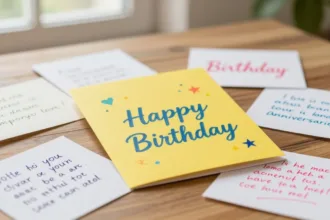
A good farewell wish tells a friend what they have meant to you and what you hope comes next. The best message fits your friendship and the reason you are parting. A farewell message is a personal note that marks a friend’s departure or a change in the routine you shared.
You can send one as a card, a text, or a spoken goodbye. A few honest words often mean more than polished writing, especially when you name a moment you shared. Around 50-150 words gives a personal note room for detail while keeping it focused.
Finding the right words can feel hard when a friendship matters. These Special Occasion Messages offer a starting point for goodbyes tied to moving, work, school, and other changes in life. Use them as written or shape them around a detail only you and your friend would know.
A farewell does not need to make every feeling sound perfect. It needs to help your friend feel seen, and to leave space for what comes next. One sincere detail about your friendship will make even a brief goodbye feel personal.
How to Choose the Right Farewell Words for a Friend
A close friend may welcome an emotional note, while a newer friend may prefer a warm, simple goodbye. Fit matters more than a grand phrase, because the occasion and your usual way of speaking shape what sounds real.
A focused personal message can be 50-150 words without losing its point. A text, card, or spoken goodbye can suit different levels of closeness. Pick the format your friend will find natural, not the one that seems most formal.
Match the tone to your friendship
With your best friend, you can name love, gratitude, or how strange the change feels. For a newer friend, a lighter note can still show care without asking for a deep response.
Think about the occasion, too. A goodbye after a shared class may call for a bright note, while a close friend’s major life change may deserve more space.
Add one detail only you would know
A shared memory, a quality you admire, or a clear offer to stay in touch can make general wishes sound personal. For example, mention how your friend checked in before an important day, then say you would love to call next week.
Choose words your friend would recognize as yours, not a line that could belong to anyone.
A shorter text may work better for a casual goodbye, especially if you usually keep messages brief. A card can hold a few more details, while a spoken goodbye lets your warmth come through in your voice.
Before sending, read the message once to check that it sounds like you.
Special Occasion Messages for a Friend’s Goodbye
A versatile farewell wish can celebrate the friendship while leaving room for whatever comes next. Warm wishes can suit many kinds of goodbyes, from a change in routine to a major personal milestone.
Use these ten messages as written or adjust one detail to fit your friend. Each line shares care without assuming why you are saying goodbye or what the next step will bring.
- My best wishes go with you, today and in every new beginning.
- May the days ahead bring happiness, good health, and kind people.
- I hope success finds you, and joy follows you wherever you go.
- May you feel cared for, supported, and ready for what comes next.
- Wishing you a joyful new chapter filled with moments worth keeping.
- May your next adventure bring fresh ideas and reasons to smile.
- I am grateful for our friendship and excited for all you will do.
- May each new day bring you closer to the life you want.
- Sending love with this small gift, and wishing you bright days ahead.
- Take this card as a reminder that I will always cheer you on.
The blessing-style line offers hope for happiness, health, or success without naming a particular faith. The gift-friendly wishes can sit beside a book, a small treat, or another thoughtful present.
If you want the note to feel less formal, change “success” to a goal your friend has shared. You might name a hobby, a trip, or a new skill they hope to explore.
Replace a general hope with one detail about the friend’s next chapter when you can.
Short Farewell Wishes for Friends
For a quick send-off, one warm sentence can say enough. A short line works well in a text, a small card, or a gift tag with little room.
Each of these eight options stands on its own. Choose one that fits your relationship, then send it without adding words just to fill space.
- I will miss our everyday chats, and I am cheering you on.
- Good luck with what comes next, my friend.
- May your next days bring happiness and fresh reasons to smile.
- So glad we shared these moments; wishing you the very best.
- You have this, and I will be rooting for you.
- Thanks for making ordinary days better; take care out there.
- Sending love and good luck for your next adventure.
- Our routine may change, but I am glad we are friends.
Short messages suit a fast goodbye when you want to say something kind without turning it into a speech. They can also fit a gift tag, where the gift itself carries part of the message.
A simple gift message can name the gift or the occasion and add one sincere wish. For a book, you might write, “A little something for your next quiet evening. Enjoy!” For a farewell card, the occasion may be clear already.
When you have little room, choose a familiar word instead of a grand phrase. “I’ll miss you” can feel closer than a longer line that does not sound like your voice.
Choose the shortest line that still sounds like something you would say to this friend.
Heartfelt Goodbye Messages That Celebrate Your Friendship
A heartfelt goodbye names one thing your friend did that made your life better. Specific gratitude can show how much their kindness, steady care, or support mattered to you.
A strong personal note joins gratitude, one concrete memory, and a sincere wish for what comes next. Around 50-150 words gives you room to make those parts clear without losing focus.
Thank them for what they brought to your life
Think of a time your friend showed up when you needed help. You could write, “Thank you for answering my late calls and making hard days feel less lonely.” That detail tells them what their care meant.
For a gift note to a friend, try, “Thanks for bringing so much warmth to my days. I hope this brings you a little joy.” For your best friend, a more intimate line may fit: “You have been my safe place through so many changes. I love you, and I will carry that with me.”
A memory gives the reader something they can picture. Recall a trip where you missed a turn, an inside joke from a long class, or the hard moment you got through together.
You might write, “I still laugh about our rainy weekend and the terrible map we trusted. I’m grateful we made even the wrong turns fun.” A private detail like that belongs to your friendship alone.
Some friends prefer a simple, steady note over an emotional one. Thank them plainly, then include just one moment that makes the message feel like yours.
End with a personal promise to stay connected only if you genuinely mean it.
Funny Goodbye Messages for a Close Friend
A joke works best when your friend would recognize it as part of your usual banter. Keep it kind, so the goodbye still feels like a goodbye and not a way to brush off the change.
One punchline is enough to keep a funny message clear and affectionate. These six original lines tease missed meetups, familiar habits, and the work of staying in touch.
- We have rescheduled coffee so often, goodbye might be our best chance to meet.
- I will miss your talent for losing your keys, but not helping you find them.
- New place, same habit of replying three days later. I believe in you.
- Promise to stay in touch, even if your phone remains mostly decorative.
- Good luck out there; may your plans be better than our group chat plans.
- I will miss your jokes, even the ones you explain afterward.
These wishes work best for friends who enjoy teasing each other. If your friend is having a hard time with the change, use humor gently or choose a more direct message.
A playful note can still include care at the end. “I’ll miss your endless coffee orders, and I hope the next place treats you well” keeps the joke from feeling cold.
Do not make the departure itself the punchline. Your friend should feel that the bond matters, even when you are both laughing about familiar habits.
Humor can also fall flat when someone reads a message without hearing your voice. If the joke could sting when read alone, choose a warmer line instead.
Goodbye Wishes for a Friend Moving to a New Place
A friend moving away needs both a warm goodbye and a reason to look forward to what is next. Good wishes can welcome their new life while recognizing that your shared routine will change.
A move can change your usual routine without ending the friendship. Wish your friend a welcoming home, new experiences, and happiness in their new place.
Send good wishes for the move
You could write, “I hope your new home feels welcoming from the first day. May it bring you joy, good health, and plenty of meaningful moments.” This expresses hope for a wonderful life without making a promise about every day.
For a lighter note, try, “May your new neighborhood bring kind neighbors, good food, and places you love.” Moving new belongings into a home can make the first day feel less strange, but your words can focus on the life they will build there.
Make long-distance friendship feel manageable
A clear plan gives your wish a practical next step. You might say, “Let’s pick a night for a call after you have settled in,” or offer a visit when travel works for both of you.
Keep the plan realistic rather than promising a weekly call you may not manage. A specific invitation can be easy to accept or adjust, especially while your friend handles the move.
You can mention loved ones if family or close friends will help them settle in. For example, wish them a warm welcome from the people they will see often in their new place.
Name one realistic way you plan to keep in touch rather than relying on a vague promise.
Farewell Messages for a Friend Starting a New Job
A new job deserves congratulations as well as a goodbye to the work routine you shared. Warm support can recognize your friend’s hard work and make the transition feel personal.
A new job is a work change, not a sign that your friendship is ending. Pair congratulations with good luck, and leave room for the new role to have both good days and hard ones.
You might write, “Congratulations on the new job. Your hard work helped you reach this step, and I hope you feel confident as you begin.” This celebrates an achievement without claiming the role will solve every problem.
For a close friend, try, “I’ll miss our chats during the workday, but I’m excited to see what you make of this role. Good luck with your first week.” It marks the routine you shared while keeping the focus on their next move.
A card can hold a few lines of support. You could add, “May your new team value your ideas, and may you find chances to learn and grow.” Avoid promising that every day will be easy or that the job will bring instant happiness.
If you worked together, name a task or habit you will miss without turning the note into a list of office details. A brief mention can make the farewell feel tied to your time as colleagues.
Good luck wishes can also be simple: “You have earned this chance. I’m rooting for you.” That line suits a text when you want to send support on the day they begin.
Think about the quality that will help your friend in the new role. Patience, clear thinking, or kindness can be more meaningful than a broad wish for success.
Mention one quality that will serve your friend well in the new role.
Goodbye Messages for Friends Leaving School or College
A school or college goodbye can celebrate the memories you made together and the milestone ahead. Shared moments give your message warmth, while a hope for what follows keeps it looking forward.
A class card can hold a short message from several friends. Keep a group note open enough for classmates to share, while a private message can carry details meant for one close friend.
For a private note, you might write, “I’ll miss saving you a seat and comparing notes after class. I hope the next part of life brings you good people and exciting chances.” It names a small routine without trying to speak for everyone.
A class card could say, “We are glad we shared these classes, campus walks, and last-minute study sessions. Best wishes for all the milestones ahead.” Several friends can sign it, making the message part of a wider celebration.
Group celebrations often create their own memories. Mention the lunch after exams, a familiar campus spot, or the class project everyone still talks about.
For a close friend, you can include a more personal hope about their goals or family. For a shared card, keep the words kind and clear for classmates who know the story less well.
School and college changes may bring a new schedule, new people, and more responsibilities. A brief wish for joy, health, or success fits without guessing what your friend will choose next.
A class card does not need to sound formal to include everyone. A simple line about a moment the group remembers can make the note feel warm and real.
Include one shared moment that classmates will recognize without making a group card too private.
What to Write on a Farewell Gift Card
A farewell gift card needs a clear goodbye, a personal detail, and a wish that fits the recipient. A few lines can work well, though a small tag may call for one sentence.
Keep the note brief enough to read at a glance. In India, you can share wishes in a handwritten note, greeting card, WhatsApp message, or social media post.
Keep a small gift note clear and personal
A short thank-you or goodbye gives the message a clear start, and one wish points toward what comes next. These examples can fit a gift card or a message sent with a present.
- Thank you for making our days brighter. I hope this brings you a little joy.
- Goodbye for now, and best wishes for all the good moments ahead.
- I’m glad we shared so much. May this small gift remind you of our friendship.
- Wishing you comfort, laughter, and good company wherever life takes you.
A handwritten note adds a personal touch because your friend can keep it with the gift. WhatsApp works well when you want to send a note along with a photo or a quick message.
Tailor the wording to the recipient
For her, you could write, “I’m grateful for your friendship and hope this brings a smile to your next day.” For him, try, “Thanks for being a good friend. Wishing you plenty to look forward to.”
Those lines do not depend on gender stereotypes. The relationship matters more than gender, so choose words that match how you speak to the person.
Social media can suit a public goodbye, but a card or private message leaves more room for personal words. Keep private memories off a public post unless your friend would welcome them.
Sign the note with the name or nickname your friend knows best.
How to Stay Close After Saying Goodbye
A goodbye can mark a change in routine without making the friendship less important. Small gestures can help friends keep sharing life, even when their usual moments together change.
A specific invitation to call or meet is easier to act on than a general promise. Choose a low-pressure next step, such as sharing a date for a call or sending a note after the first week.
For example, you could text, “Want to catch up next Saturday afternoon?” A date makes the invitation clear, while still giving your friend room to suggest another time.
If the next few weeks are busy, try, “I’ll send you a message after your first week and see how it went.” That small check-in shows care without demanding an immediate reply.
Make one invitation you can follow through on, rather than turning affection into an obligation.
A simple plan can make a friend feel remembered without asking either person to keep a strict schedule. Some weeks may bring long chats, while others may only leave room for a quick hello.
Friendships can continue across changes in routine. You might share a photo that reminded you of them, ask about a goal they mentioned, or set a time to meet when it works.
Leave space for your friend to respond in their own way. A warm invitation feels better when it offers connection without adding pressure.
Choose one next step you can follow through on, then make the invitation in your own words.
Conclusion
The best farewell message is the one that sounds like your friendship. A sincere line can recognize the place your friend holds in your life and offer best wishes for the days ahead.
You do not need perfect words to show love, care, or hope for joy. A real detail from your friendship can make a goodbye feel meaningful without making it heavy.
Think of one moment you value, then put it into a line your friend will understand. Choose a line that feels true, add one personal detail, and send it to your friend today.